Immune Stability and Neurological Stability
Immune Stability and Neurological Stability Neuro-immunology explores how the nervous system and the immune system constantly communicate, co-regulate and behave […]
Published on 17 March 2026 by Tiago Pedro
Immune Stability and Neurological Stability
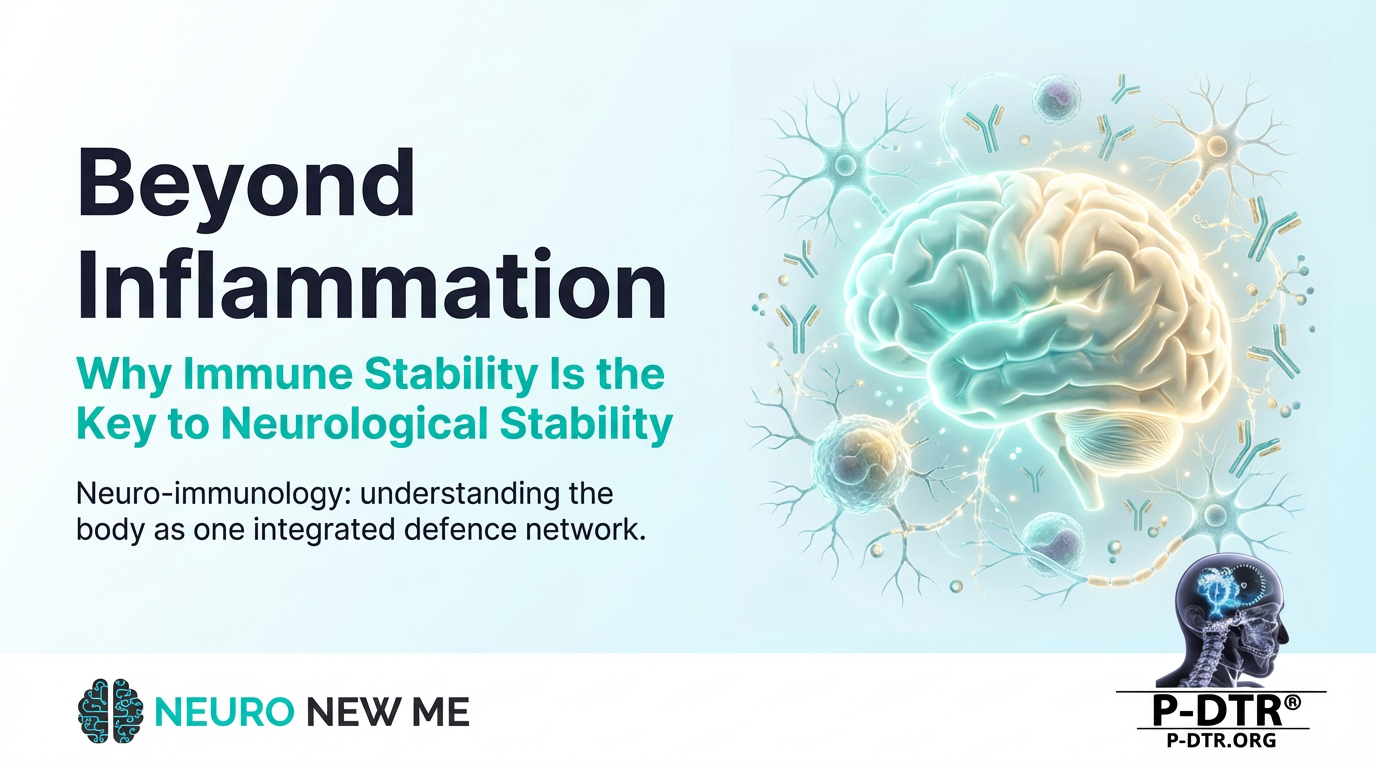
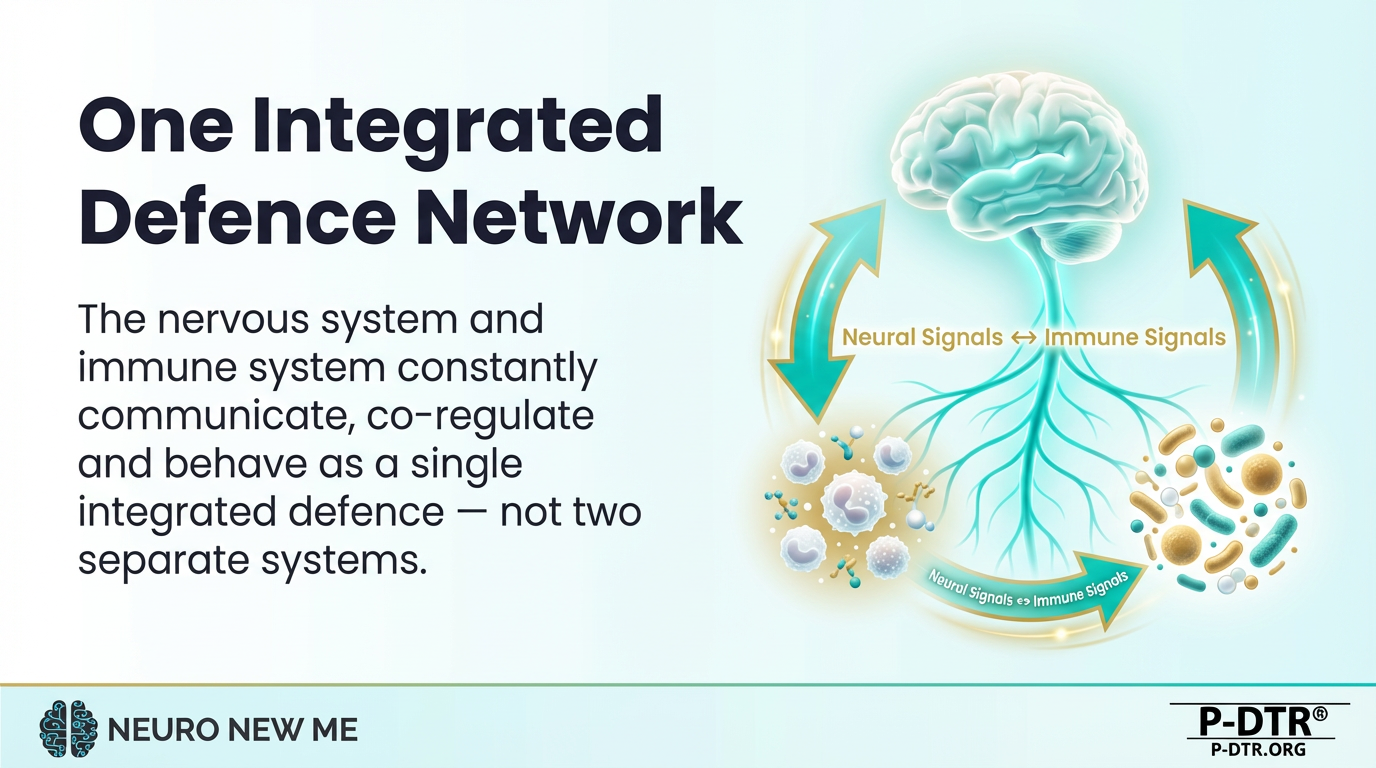
Neuro-immunology explores how the nervous system and the immune system constantly communicate, co-regulate and behave as a single, integrated defence network rather than two separate systems. Immune signals (like cytokines, gut-derived mediators and inflammatory chemistry) change how neurons fire, how sensitive nociceptors are, how excitable the spinal cord is, and how the autonomic, emotional and cognitive systems respond to threat, pain and stress. At the same time, neural pathways – especially the autonomic nervous system and vagus nerve – directly shape immune cell activation, cytokine release, inflammation resolution, lymphatic flow and even gut permeability.
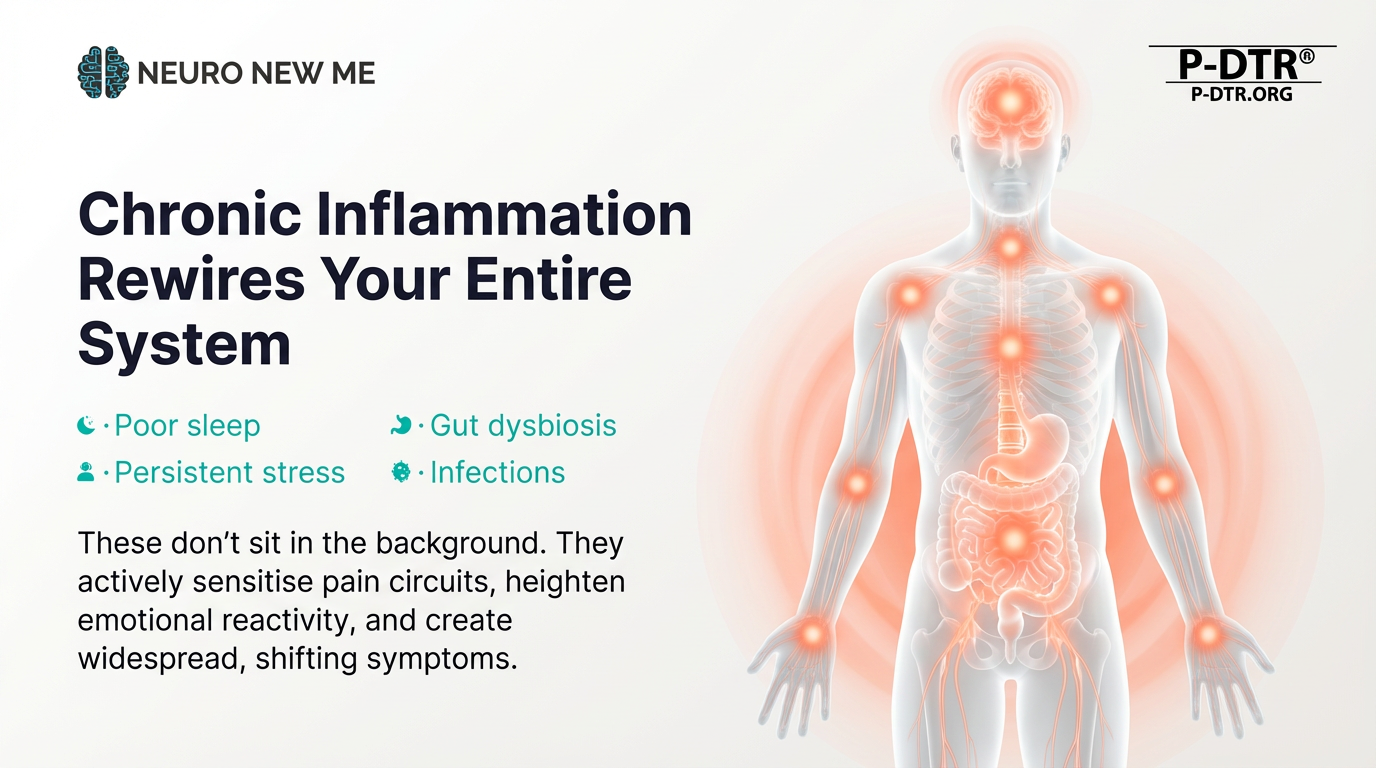
From a clinical perspective, this bidirectional loop means that chronic inflammation, infections, gut dysbiosis, poor sleep, psychological load and persistent stress do not just “sit in the background” but actively rewire sensitivity across the whole system. Clients then present with widespread and shifting pain, hypersensitivity to touch or movement, unstable responses to treatment, emotional reactivity, fatigue and brain fog – all rooted in neuro‑immune crosstalk rather than purely structural damage. Neuro-immunology reframes pain and many “mysterious” symptoms as the output of a sensitised, overprotective defence network instead of a simple local injury.
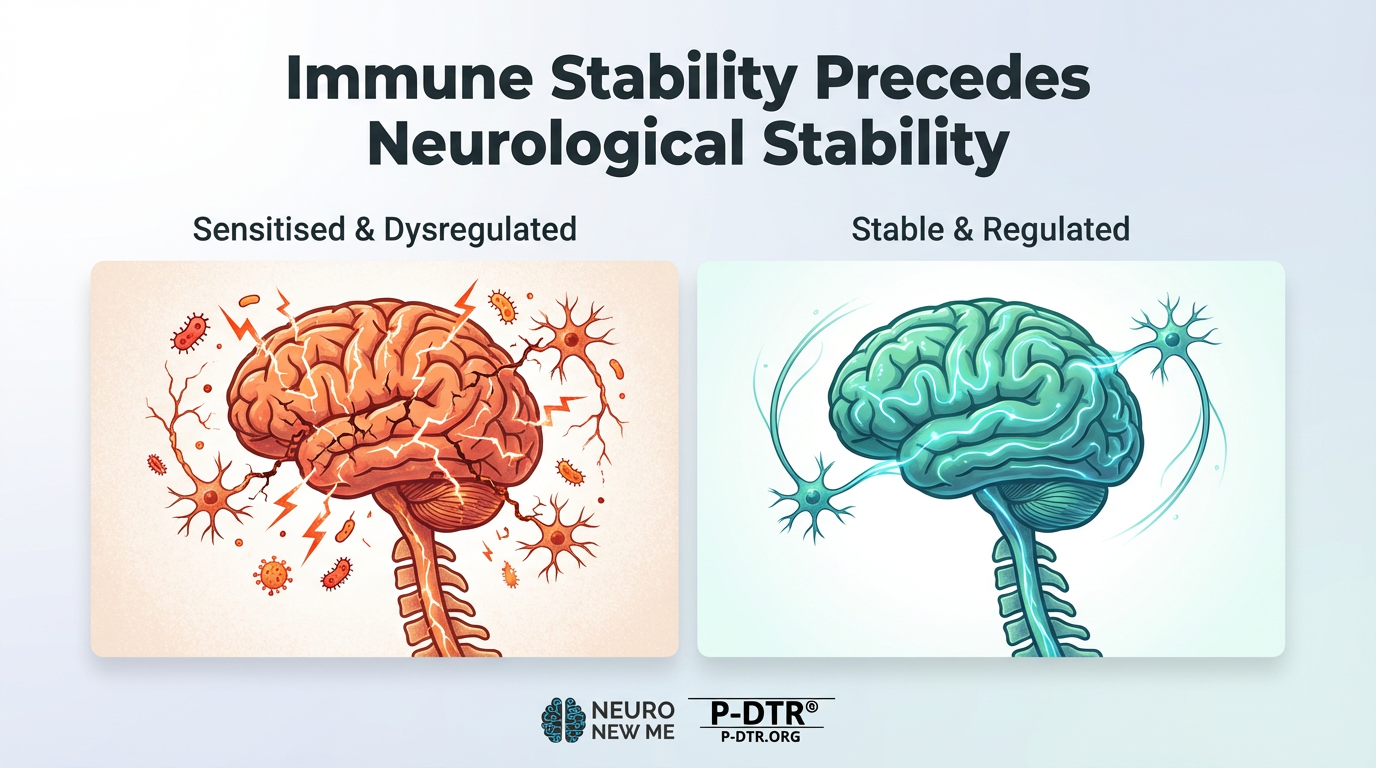
The core clinical principle that follows is: immune stability precedes neurological stability. When the body is chemically irritated, metabolically stressed or immunologically activated, reflex arcs remain unstable, spinal circuits are hyperexcitable, nociceptors stay sensitised, cortical processing is defensive, limbic structures are reactive and vagal tone is low. In this state, manual or neurological corrections may work briefly on the table, but they often collapse within hours, provoke flare-ups, or force the system into new compensation patterns – not because the technique is wrong, but because you are trying to correct in a biology that is rejecting correction.
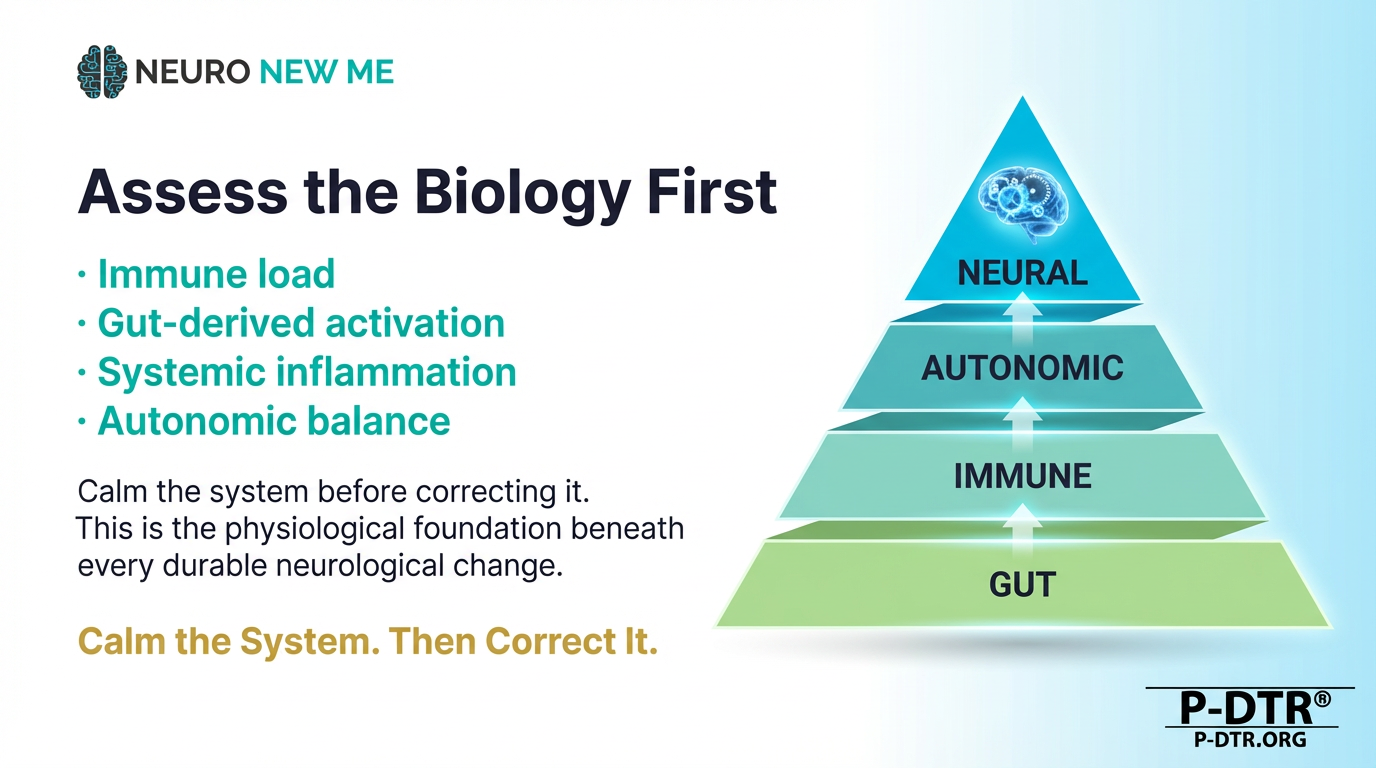
Clinically, this principle implies that assessing immune load, systemic inflammation, gut-derived activation and stress-related immune changes becomes a first step, not an optional “extra”. By calming immune activity, improving autonomic balance and reducing sensitisation before or alongside mechanical interventions, practitioners can choose more appropriate doses, avoid overloading sensitised circuits and achieve more stable, predictable changes in pain and function. Neuro-immunology, in this sense, is the physiological foundation beneath every durable neurological or musculoskeletal change.